
CELEBRITY
A blistering exchange on the House floor intensified scrutiny this week over two shocking deaths in Minnesota involving federal immigration enforcement, as Rep. Hassan (D-Minn.) accused colleagues of failing to acknowledge the names of the victims while defending controversial federal actions.

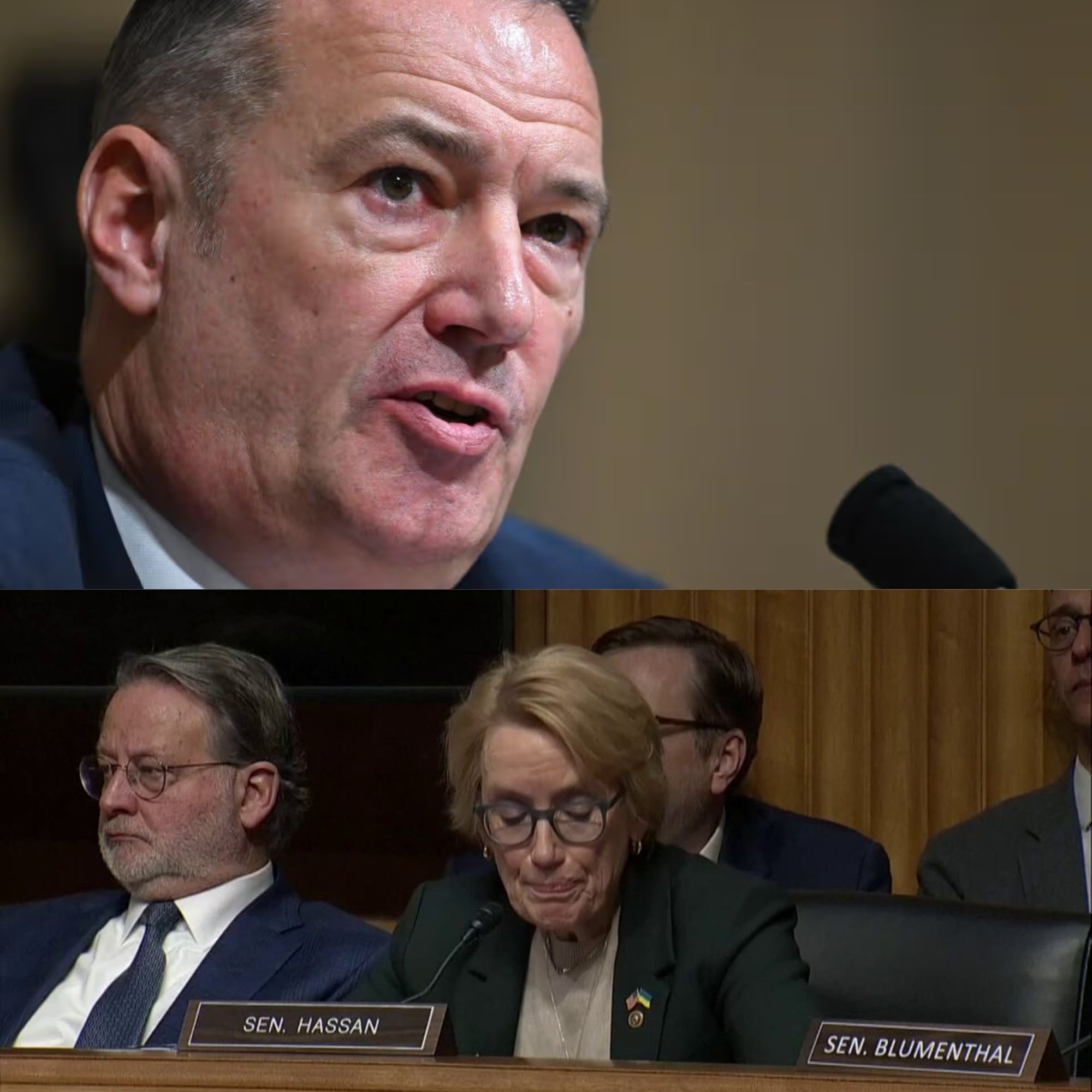
HAVE YOU SAID THEIR NAMES?’ — Tensions Flare After Lawmaker Calls Out Silence on Minnesotans Killed by Federal Agents
Washington — A blistering exchange on the House floor intensified scrutiny this week over two shocking deaths in Minnesota involving federal immigration enforcement, as Rep. Hassan (D-Minn.) accused colleagues of failing to acknowledge the names of the victims while defending controversial federal actions.
“You will be remembered as one of the worst attorneys general in history — one who chose obstruction over justice, corruption over the law, and loyalty to a president over loyalty to the Constitution,” Hassan declared in sharp remarks directed at former Florida Attorney General Pam Bondi — part of a broader confrontation about accountability and transparency. (This reflects related criticism from lawmakers; previous sources mentioned similar contentious hearings.)
But the sharpest moment came when Hassan challenged Rep. Lyons (R-state) directly on whether two American citizens killed earlier this year had even been named during discussions.
When Lyons confirmed the victims’ names — Renée Good and Alex Pretti — Hassan immediately seized on the omission.
“I’m glad to hear you say their names out loud. Because so far this morning, as well as in three hours of testimony on Tuesday, you failed to say their names a single time,” Hassan said.
The exchange underscored not only the political divisions in Washington but also deep local pain over two fatal shootings that have become flashpoints in the nationwide debate over federal immigration enforcement.
Who Were the Victims?
Renée Nicole Good, a 37-year-old American woman and mother of three, was fatally shot in Minneapolis on January 7, 2026 during an encounter with an Immigration and Customs Enforcement (ICE) agent. The Hennepin County Medical Examiner later classified her death as a homicide.
On January 24, Alex Jeffrey Pretti, a 37-year-old intensive care unit nurse and U.S. citizen, was shot and killed by federal agents — identified in reporting as Border Patrol officers — during a protest related to the ongoing immigration enforcement operation. Pretti’s death was also ruled a homicide by the Hennepin County Medical Examiner, with multiple gunshot wounds listed as the cause of death.
Both deaths occurred amid Operation Metro Surge, a large federal immigration enforcement campaign in the Twin Cities that drew intense criticism from local officials, community leaders, and civil rights advocates for its tactics and the loss of life.
Political and Public Reaction
The deaths have sparked ongoing protests in Minneapolis and other cities, with activists demanding accountability and transparency in the federal response. Community vigils have been held for both Good and Pretti, and local leaders have called for independent investigations into the use of force by federal agents.
Federal and state investigations have been complicated by jurisdictional disputes: local law enforcement agencies were reportedly restricted from accessing full evidence or leading the probe into the shootings, which has further inflamed tensions over transparency and community trust.
What’s Next in the Debate
As national attention remains on Minnesota, lawmakers like Rep. Hassan are pushing to make sure victims aren’t just statistics — but named individuals whose deaths are part of ongoing conversations about policy, oversight, and civil rights.
“Naming the victims is about more than words,” Hassan and others have signaled. “It’s about remembering that policies have real human consequences.”
The debate continues as investigations proceed and as activists and officials alike call for accountability, full transparency, and reforms to how federal immigration operations are conducted.

A California federal judge hit the Trump administration with a scathing order to notify thousands of detained immigrants nationwide that they can join a lawsuit demanding either a hearing or immediate release.

Trump DOJ takes down thousands of Epstein docs after admitting it exposed victims

The Department of Justice was reportedly caught deleting evidence that sex trafficker Ghislaine Maxwell was in possession of three interviews that could possibly be used as blackmail over President Donald Trump and were not released to the general public.

Trump owes the Supreme Court an apology—to the Justices he smeared on Friday and the institution itself. He doubtless won’t offer one, but his rant in response to his tariff defeat at the Court was arguably the worst moment of his Presidency.

Former President Bill Clinton and former Secretary of State Hillary Clinton are in a standoff with House Oversight Committee Chair James Comer, R-Ky., over testimony the panel is seeking in its investigation into the late convicted sex offender Jeffrey Epstein.

Former President Bill Clinton and former Secretary of State Hillary Clinton are set to testify to the House Oversight Committee for its investigation into Jeffrey Epstein, a committee spokeswoman says.

Trump refuses to apologize after posting racist meme of the Obamas

In a rare move, the White House recently took down a racist post from one of President Trump’s social media accounts. Extremism researchers say it fits a pattern of mainstreaming extremist ideas.

Just hours after the federal judges in the Eastern District of Virginia appointed a new interim US attorney to replace Trump loyalist Lindsey Halligan, the administration said he is fired.

President Trump is asking the federal government for billions of dollars in damages, putting his own Justice Department on the spot and creating an unprecedented ethical morass.

A federal judge in Illinois quickly issued a restraining order after the Trump administration slashed more than $600 million in CDC grants
